/*Sign up for the DataFlex Newsletter*/
Sign up to stay informed about the latest news and events!

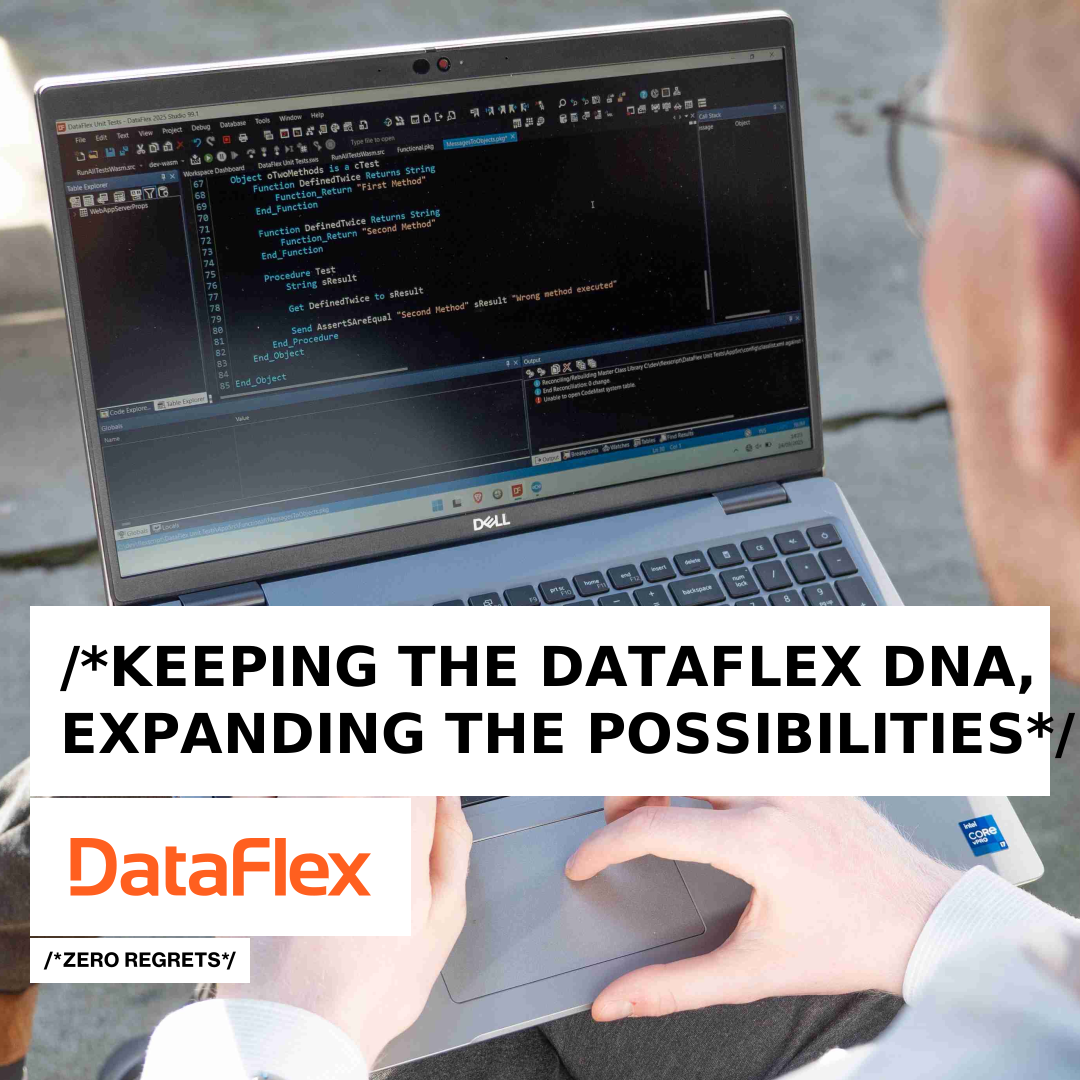
This FlexRoads 2026 session summary explores The New DataFlex, presented by Bram Nijenkamp. Looking back at nearly five decades of DataFlex evolution, Bram shows how the next technology stack builds on the strengths developers know while opening the door to new ways of building and deploying applications.
DataFlex has always evolved with technology while keeping its DNA intact. The next step continues that journey by creating a modern foundation that enables applications to run closer to users, across more platforms, with a familiar development experience.
Discover the ideas behind this evolution, including demos of local applications and the new development approach, in the full FlexRoads recording.
A major theme throughout Bram’s presentation is continuity. DataFlex was created around building business applications, staying close to data, business rules and developer productivity. That foundation remains central.
The new technology stack is not a new language and not a complete reset. Instead, it rebuilds the underlying technology so DataFlex can continue moving forward while developers keep working with the concepts they know.
One of the most interesting demonstrations shows a DataFlex application running locally on a device using a WebAssembly-based runtime. The application can work offline, respond immediately to user actions and synchronize data when needed.
For developers, this changes the possibilities for applications used in situations where connectivity is limited or where responsiveness is important. Think about field workers, mobile scenarios or applications where every interaction should feel instant.
Behind the scenes, the new build system and toolchain approach provide the flexibility needed for this future. Different runtimes can work side by side, allowing developers to choose the right technology for each project without disrupting existing environments.
This also supports a gradual migration approach. Existing applications do not need to move overnight. Developers can introduce new technology step by step, using APIs and new deployment options where they make sense.
Bram also addresses an important misconception: the future of DataFlex is not about replacing desktop applications with browser applications. Desktop applications are changing shape, using modern technologies while still providing a native experience.
For developers with existing Windows applications, this creates new opportunities to modernize gradually while keeping valuable business logic and DataFlex knowledge.
The next generation of applications is not limited to one platform. Users expect applications to work wherever they need them: on desktops, mobile devices, browsers and cloud environments.
The new DataFlex technology stack gives developers more options while protecting the investment they have already made in DataFlex applications. The road ahead is not about leaving DataFlex behind. It is about taking DataFlex further.
Access the complete FlexRoads 2026 experience with all 17 session recordings, including technical deep dives, live demonstrations and sessions that go beyond these highlights.